
All 16 World Cup 2026 Stadiums — A Canadian Fan’s Guide to Every Venue
 Available in US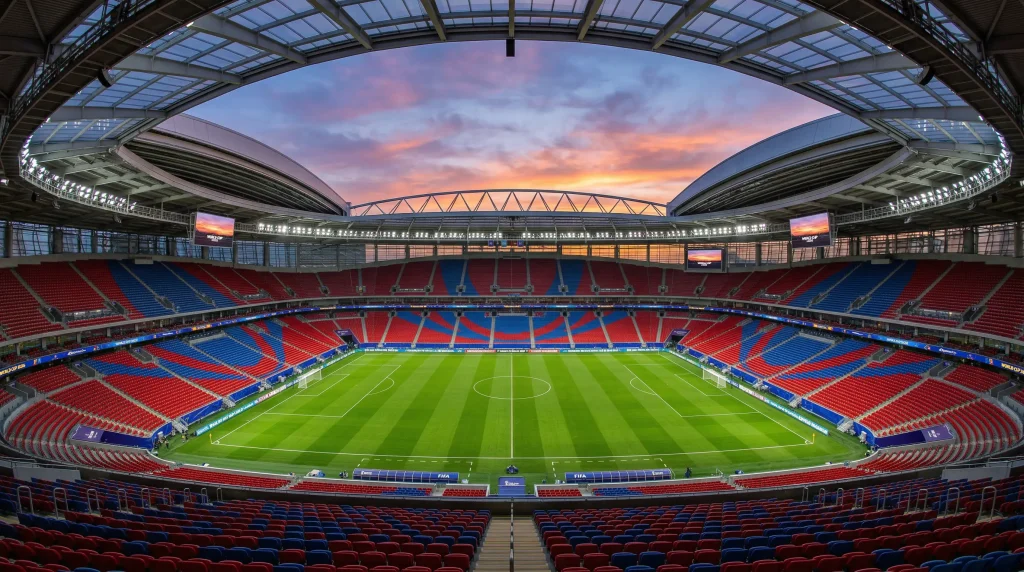
Table of Contents
I have attended matches at nine of the sixteen 2026 World Cup venues, most recently BC Place in Vancouver during a CONCACAF Nations League fixture that gave me a visceral reminder of how Canadian crowds transform familiar buildings into something approaching European atmospheres. Walking through the concourses that evening, hearing supporters’ groups chanting names of players who will wear the maple leaf this June, I found myself mentally mapping how each venue will host this tournament differently.
The 2026 World Cup spans three nations and 16 stadiums across a geographic footprint stretching from Vancouver’s Pacific coastline to Miami’s Atlantic shores, from Guadalajara’s central Mexican highlands to Boston’s northeastern autumn chill. For Canadian fans planning to attend matches beyond our two home venues, understanding these stadiums — their locations, their quirks, their accessibility from Canadian departure points — transforms abstract fixture lists into practical travel decisions.
What follows is a comprehensive guide organized by country, with particular attention to distances from major Canadian cities, estimated travel costs, and the atmospheric considerations that distinguish watching football in a retractable-roof dome from an open-air stadium under June sun. The World Cup will be won by one of 48 teams. Where you watch that journey unfold shapes how you experience it.
Canada — BMO Field and BC Place
The two Canadian venues represent opposite ends of our football infrastructure spectrum, and both will host matches that mean everything to supporters who have waited decades for this moment.
BMO Field in Toronto sits in the Exhibition Place complex at Lake Ontario’s western edge, a ten-minute streetcar ride from downtown Union Station. The stadium seats approximately 30,000 for football configurations, making it the smallest World Cup venue — but that intimacy creates atmosphere that larger bowls struggle to match. I have seen Toronto FC supporters generate noise levels at BMO Field that rivalled any European ground I have visited. For World Cup 2026, BMO Field will host Canada’s opening match against Bosnia and Herzegovina on June 12, plus group stage fixtures including Germany versus Ivory Coast on June 20 and Ghana versus Panama on June 17. The venue may also host Round of 32 matches depending on advancement scenarios.
The practical considerations for BMO Field involve Toronto’s June weather (warm, occasionally humid, low precipitation risk) and accommodation pricing that will spike dramatically during World Cup fixtures. Hotels within walking distance of the venue will command premium rates; bettors who also plan to attend matches should budget C$300-500 per night for decent accommodation during match weeks. Public transit via the 509 and 511 streetcar routes provides reliable access, and the Gardiner Expressway connects to regional highways for those driving from elsewhere in southern Ontario.
BC Place in Vancouver anchors the city’s downtown northeast corner, its distinctive retractable roof visible from cruise ships entering Burrard Inlet. With approximately 54,000 capacity for World Cup configuration, BC Place will host more matches than BMO Field including both of Canada’s remaining group stage games — Qatar on June 18 and Switzerland on June 24. The venue also stages Round of 32 and Round of 16 matches, making Vancouver the deeper Canadian tournament hub.
Vancouver’s June climate is spectacular by any standard: mild temperatures averaging 18°C, long daylight hours, and low humidity. The city’s international airport connects directly to Asian markets, meaning Japanese, Korean, and Australian supporters traveling to Group F matches at BC Place will find convenient routing. For Canadian fans elsewhere in the country, Vancouver represents a domestic flight rather than international travel — no passport complications, no currency exchanges, familiar infrastructure. The SkyTrain’s Stadium-Chinatown station sits immediately adjacent to BC Place, providing seamless transit from Vancouver International Airport through downtown with a single transfer.
USA — 11 Stadiums From Coast to Coast
The American portion of World Cup 2026 hosting dwarfs the Canadian and Mexican contributions combined: 11 stadiums hosting 78 matches across venues separated by greater distance than most European nations’ entire territories. For Canadian fans planning cross-border attendance, certain American venues offer significantly better accessibility than others.
MetLife Stadium in East Rutherford, New Jersey hosts the tournament final on July 19 alongside multiple knockout round matches including a semi-final. The stadium sits nine kilometres from Manhattan, accessible via NJ Transit rail to Secaucus Junction and shuttle connections. From Toronto, the drive is approximately 8.5 hours; from Montreal, roughly 6 hours. Air Canada, Porter, and multiple American carriers serve Newark Liberty International and JFK, making the New York metropolitan area among the most accessible American destinations for Canadian travellers. July temperatures average 24-29°C with high humidity — hydration and sun protection matter for those attending afternoon fixtures.
Lumen Field in Seattle presents the closest American venue for western Canadian fans. Vancouver to Seattle is a 2.5-hour drive through the Peace Arch border crossing, or a 1-hour flight. The stadium hosted multiple 2022 World Cup qualifier matches, and Cascadia supporters’ culture means the atmosphere will be electric. Group stage matches and potential knockout rounds will draw significant cross-border attendance from British Columbia. Seattle’s maritime climate keeps summer temperatures moderate — perfect football weather.
Gillette Stadium in Foxborough, Massachusetts serves eastern Canadian fans from the Maritime provinces and Quebec. Montreal to Boston is roughly 5 hours by car; Halifax has direct flights to Boston’s Logan Airport. New England’s football culture has evolved substantially since the 2002 World Cup, and the venue’s regular NFL and occasional USMNT hosting means operational experience is solid. June weather is ideal: warm days, cooler evenings, minimal precipitation risk.
SoFi Stadium in Inglewood, California represents the tournament’s technological centrepiece: a C$6 billion complex with a 70,000-seat capacity and unprecedented video display infrastructure. The stadium hosts USA’s opening match against Paraguay on June 12 plus multiple group stage and knockout fixtures. From Canada, Los Angeles requires cross-continental flights — 5+ hours from Toronto, 4+ from Vancouver. June climate involves classic Southern California conditions: warm, dry, abundant sunshine. Accommodation costs in the greater Los Angeles area are substantial, and traffic congestion around the Inglewood venue requires early arrival planning.
AT&T Stadium in Arlington, Texas will host the most matches of any American venue — nine fixtures including knockout rounds. The Dallas-Fort Worth metropolitan area offers reasonable accessibility via direct flights from major Canadian airports, typically 3.5-4 hours from Toronto. June temperatures in Texas average 32-38°C during daytime fixtures, a significant consideration for Canadian fans unaccustomed to extreme heat. The stadium’s retractable roof can close for climate control, though outdoor tailgating culture means extended sun exposure before matches.
Hard Rock Stadium in Miami Gardens, Florida hosts multiple group stage matches and potential knockout rounds. From Toronto, Miami is roughly 3 hours by air; from Montreal, slightly longer. June climate involves hot, humid conditions with afternoon thunderstorm risk — pack rain gear alongside sunscreen. Miami’s Cuban and Latin American communities will generate extraordinary atmospheres for matches involving regional teams.
Mercedes-Benz Stadium in Atlanta offers another retractable-roof option with 71,000 capacity. The venue hosted multiple matches during the 2022 MLS season and has earned strong reviews for fan experience. Atlanta’s Hartsfield-Jackson International Airport is the world’s busiest, meaning abundant flight options from Canadian cities. June weather is hot and humid, though the climate-controlled interior eliminates concern for those with tickets.
NRG Stadium in Houston, Lincoln Financial Field in Philadelphia, Levi’s Stadium in Santa Clara (San Francisco area), and GEHA Field at Arrowhead Stadium in Kansas City round out the American venues. Each presents distinct accessibility profiles for Canadian travellers: Philadelphia offers relatively short travel from southern Ontario and Quebec; San Francisco appeals to western Canadian fans seeking a second American venue beyond Seattle; Kansas City and Houston require more deliberate travel planning but offer lower accommodation costs than coastal metropolitan areas.
Mexico — Azteca, BBVA, and Akron
Mexico’s three World Cup venues carry historical weight that the North American partner stadiums cannot match. Estadio Azteca hosted both the 1970 and 1986 World Cup finals — the only stadium to do so — and witnessed Diego Maradona’s “Goal of the Century” against England. When the opening match kicks off there on June 11, 2026, with Mexico facing South Africa, the occasion will mark the tournament’s third Azteca final, this time splitting that honour with MetLife for the actual final.
For Canadian fans, Mexican venues require international travel arrangements including potential visa considerations, currency exchange, and accommodation research in unfamiliar markets. The reward is atmospheres that European football followers describe as among the world’s most intense — Mexican supporters bring passion that transforms neutral fixtures into memorable occasions.
Estadio Azteca in Mexico City sits at 2,200 metres elevation, a factor that affects both player performance and visitor acclimatization. The altitude causes faster ball movement and increased cardiovascular strain; visitors should arrive 48-72 hours early to adjust. Mexico City’s June climate involves warm days (22-26°C) with afternoon thunderstorm risk during the rainy season. The stadium’s 87,000 capacity makes it the tournament’s largest venue.
Estadio BBVA in Monterrey offers a more modern venue experience, having opened in 2015. The stadium seats 53,000 and has hosted multiple Liga MX finals. Monterrey lies relatively close to the Texas border — roughly 3 hours from McAllen or 2.5 from Laredo — making it accessible for Canadian fans who might combine a Texas venue visit with a Mexican match. June temperatures in Monterrey average 32-35°C, similar to Dallas-Fort Worth across the border.
Estadio Akron in Guadalajara, home to Chivas, holds approximately 48,000 for football configurations. The city itself, Mexico’s second largest, offers rich cultural attractions and vibrant atmosphere. From Canada, direct flights connect Toronto and Mexico City, with domestic connections to Guadalajara. June weather in Jalisco is transitioning into rainy season, with warm temperatures and afternoon precipitation risk.
Mexican venue attendance for Canadian fans requires more planning than American cross-border travel. Passport validity, potential visa requirements depending on length of stay, travel insurance, and currency exchange all warrant advance attention. The experiential reward — watching World Cup football in stadiums that have witnessed the sport’s most iconic moments — may justify the additional logistics for dedicated supporters.
MetLife Stadium — Where the Final Will Be Played
The 2026 World Cup Final on July 19 will unfold at MetLife Stadium in East Rutherford, New Jersey, the NFL’s shared home for the New York Giants and New York Jets. The venue’s selection for the tournament’s culminating match reflects its 82,500 capacity, extensive hospitality infrastructure, and proximity to the New York metropolitan media market.
MetLife Stadium opened in 2010, replacing the Giants Stadium that hosted 1994 World Cup matches including the quarter-final between Germany and Bulgaria. The current facility features open-air design without a retractable roof — July weather in northern New Jersey involves warm temperatures (25-30°C) with humidity and occasional thunderstorm risk. The evening kickoff time typical for World Cup finals (20:00 local) mitigates the most intense heat.
For Canadian fans targeting the final, logistics require early planning. Hotel inventory across the New York-New Jersey metropolitan area will sell out months in advance at premium prices. Transportation to East Rutherford from Manhattan involves NJ Transit rail to Secaucus Junction followed by shuttle service; the stadium lacks direct subway access that makes European venue attendance straightforward. Budget-conscious travellers might consider accommodation in less central New Jersey locations with car access to the stadium complex.
Ticket acquisition for the final represents the tournament’s most competitive allocation. FIFA’s official ticketing process has historically involved lottery systems for high-demand matches; secondary market prices for World Cup finals have exceeded C$5,000 for standard seats and substantially more for premium categories. Those committed to attending the final should register for FIFA ticketing notifications immediately and maintain flexibility on travel dates pending ticket acquisition.
The alternative experience — watching the final in Toronto’s fan zone or at a licensed public viewing — offers its own intensity without the logistical complexity. Major Canadian cities will host official FIFA Fan Festivals with large-screen broadcasts, creating communal viewing experiences that replicate stadium atmosphere at a fraction of the cost. For many Canadian supporters, these public viewings may prove more memorable than attendance at the actual venue.
Travel Tips for Canadians Going South for Games
Crossing the American border for World Cup 2026 matches involves considerations that domestic travel does not. My years of attending matches across North America have produced a checklist that minimizes friction and maximizes match enjoyment.
Passport validity should extend at least six months beyond your planned return date. American border officers can deny entry for shorter validity windows, and the embarrassment of missing a World Cup match due to expired documentation is entirely preventable. If your passport expires in 2026, renew it now while processing times remain manageable.
NEXUS or Global Entry enrollment dramatically accelerates border crossings. The application process takes several months including interview scheduling, so begin enrollment immediately if you anticipate multiple cross-border trips. For single-trip travelers, the standard crossing process at Peace Arch, Detroit-Windsor, or Niagara Falls varies by time and day — weekday mornings typically clear faster than weekend afternoons.
Travel insurance covering medical expenses in the United States is not optional. American healthcare costs can bankrupt uninsured Canadians — a routine emergency room visit might generate bills exceeding C$5,000, and serious medical events escalate rapidly. Provincial health coverage provides minimal American reimbursement. Purchase comprehensive travel insurance from a Canadian provider before departure.
Mobile phone plans with American roaming should be verified before travel. Most major Canadian carriers offer North American packages including American data and calling, but default plans may involve substantial roaming charges. Contact your provider before the trip to activate appropriate coverage.
Currency considerations favour obtaining American dollars before departure. While credit cards work universally, smaller vendors near stadiums, street food, and transit systems often prefer cash. Exchange rates at Canadian banks typically beat airport or American exchange services.
For those driving to American venues, ensure your vehicle insurance includes American coverage and that your driver’s license remains valid. Canadian licenses are recognized throughout the United States. Fuel costs, tolls, and parking should be budgeted — stadium parking at American venues often runs US$40-75 depending on proximity.
Flight bookings for popular match dates should happen as soon as fixture schedules allow planning. World Cup demand will strain capacity on routes connecting major Canadian airports to American host cities. Early booking locks in better pricing and preferred timing — trying to book Toronto to New York the week before the final will produce sticker shock if any inventory remains.
Accommodation strategies vary by venue and budget. In expensive markets like New York, Los Angeles, and Miami, consider suburban locations with transit access or verified rideshare service. In moderate-cost cities like Kansas City, Atlanta, or Houston, downtown hotels may prove affordable even during match weekends. Airbnb and VRBO alternatives work well for groups willing to share accommodations, though World Cup pricing will inflate even these options.
The World Cup will move across sixteen stadiums and three countries over 39 days. No Canadian supporter can attend every match, but strategic venue selection matching personal priorities — proximity, cost, atmosphere, opposing team interest — can create a tournament experience that shapes football memories for decades. Start planning now while options remain open.
